News

Political delegation visits EULIAA lidar at Andøya Space

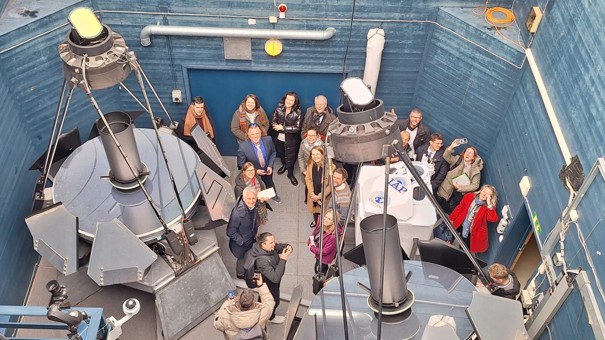
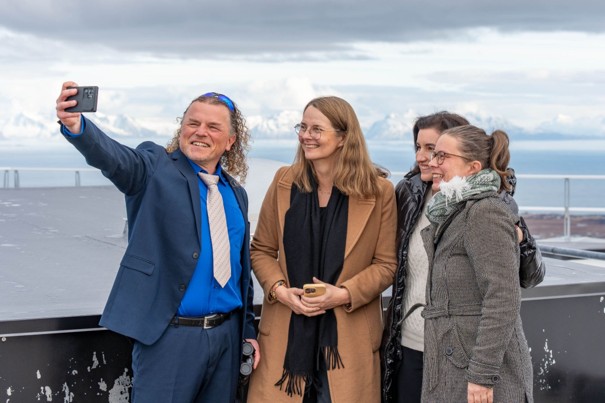
A high‑level delegation comprising German federal and state Ministers for Research, Technology and Space, together with Norway’s Minister for Trade, visited Andøya Space and the ALOMAR observatory.
During the visit, IAP and Andøya Space presented the EULIAA atmospheric lidar and its unique capabilities for upper‑atmosphere wind and aerosol measurements.
The visit underlined the importance of long‑term scientific infrastructure and international collaboration for atmospheric and space‑related research, and the need for political support to realise a future European lidar network.
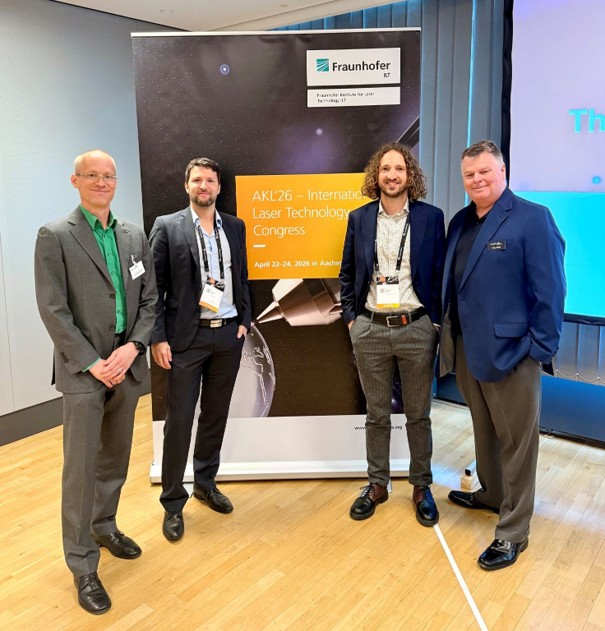
Alexandrite laser technology presented at AKL Congress

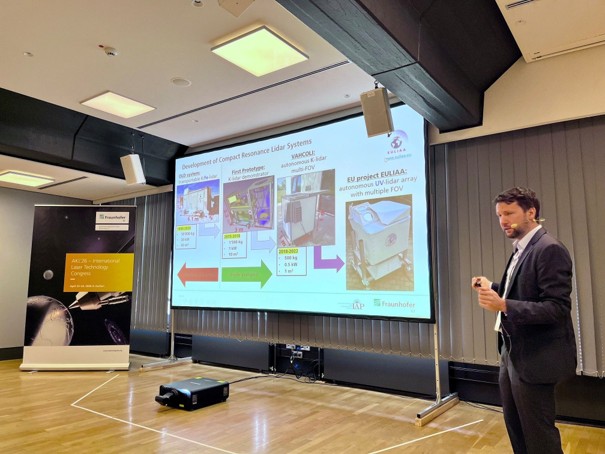
At the AKL – International Laser Technology Congress in Aachen, EULIAA technology was featured prominently:

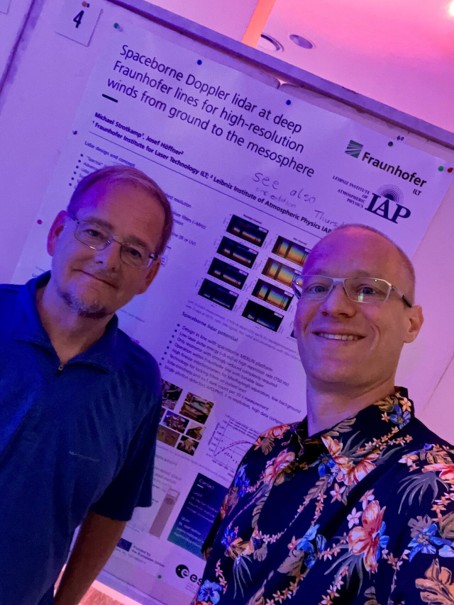
  • Fraunhofer ILT presented the Alexandrite laser developed for EULIAA to a broad audience from laser science and industry, showing how the tailored, narrow‑band sources enable advanced atmospheric lidar in both infrared and ultraviolet.
  • In addition, Michael Strotkamp (Fraunhofer ILT) served as session chair for “Lasers with Tailored Wavelengths”, with talks by Alexander Munk (diode‑pumped Alexandrite lasers for atmospheric lidars), Konstantin Holzner (monochromatic visible lasers for astronomy and quantum technologies) and Toby Strite (nanosecond DUV laser alternatives for micromachining).

The session underscored how wavelength‑customised laser sources not only improve existing processes but also enable entirely new applications, including atmospheric research, astronomy and advanced material processing.

First UV lidar deployed to Observatoire de Haute‑Provence

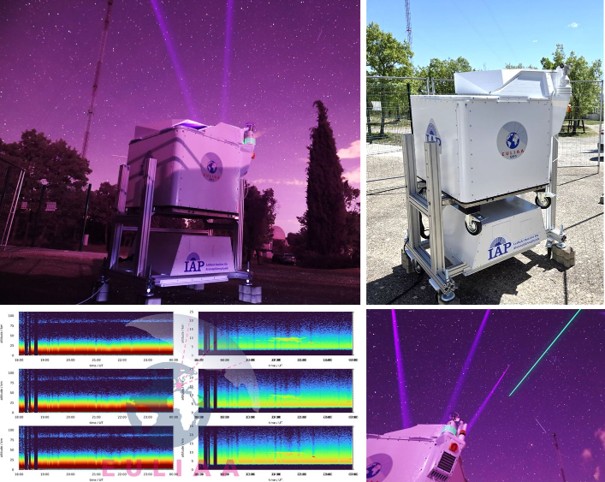
The first UV lidar developed in EULIAA has been successfully deployed to the Observatoire de Haute‑Provence (OHP) in Southern France.
After only a few weeks of test runs at IAP, the system was transported by truck and achieved first atmospheric measurements on the evening of arrival—without any realignment—demonstrating excellent robustness.
The UV lidar now provides continuous measurements up to about 100 km altitude, including the iron layer around 80 km, operating autonomously (weather permitting) and showcasing new solutions for full‑daylight capability; Altechna contributed high‑damage‑resistance UV optics and filters and advanced telescope optics to this milestone.

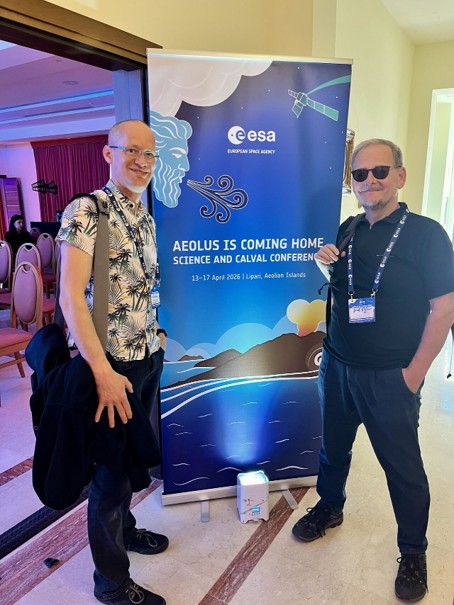
EULIAA lidar array concept at ESA AEOLUS CalVal Conference

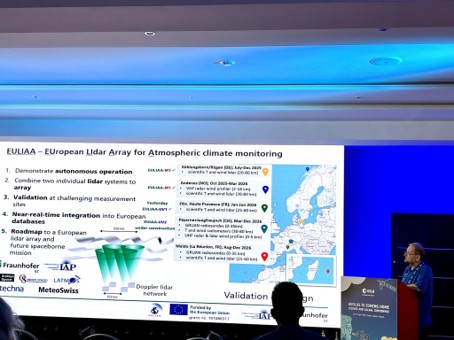
At the ESA AEOLUS CalVal and Science Conference on Lipari, EULIAA partners presented the concept of mobile atmospheric lidar units that can be combined into a lidar array.
Such arrays significantly increase spatial overlap with fast‑moving satellites compared to single instruments, making them ideal for calibration and validation of spaceborne wind and aerosol lidars.
The superior performance and extended altitude range of the EULIAA systems also make them promising candidates for future space missions.

Video on 3D‑printed lidar platforms released

A new video produced by BigRep showcases how EULIAA lidar platforms are built using large‑format 3D‑printed structural components.
Most mechanical parts are printed by IAP from carbon‑fibre reinforced plastics, providing sufficient strength at low cost and enabling fast design optimisation cycles.
With the first lidar having operated for half a year at Andøya Space under Arctic conditions, the video demonstrates that the 3D‑printed platforms are rugged enough for harsh environments up to 100 km measurement range.

Lasers at the Edge of Space: Building a 3D Printed LiDAR Observatory